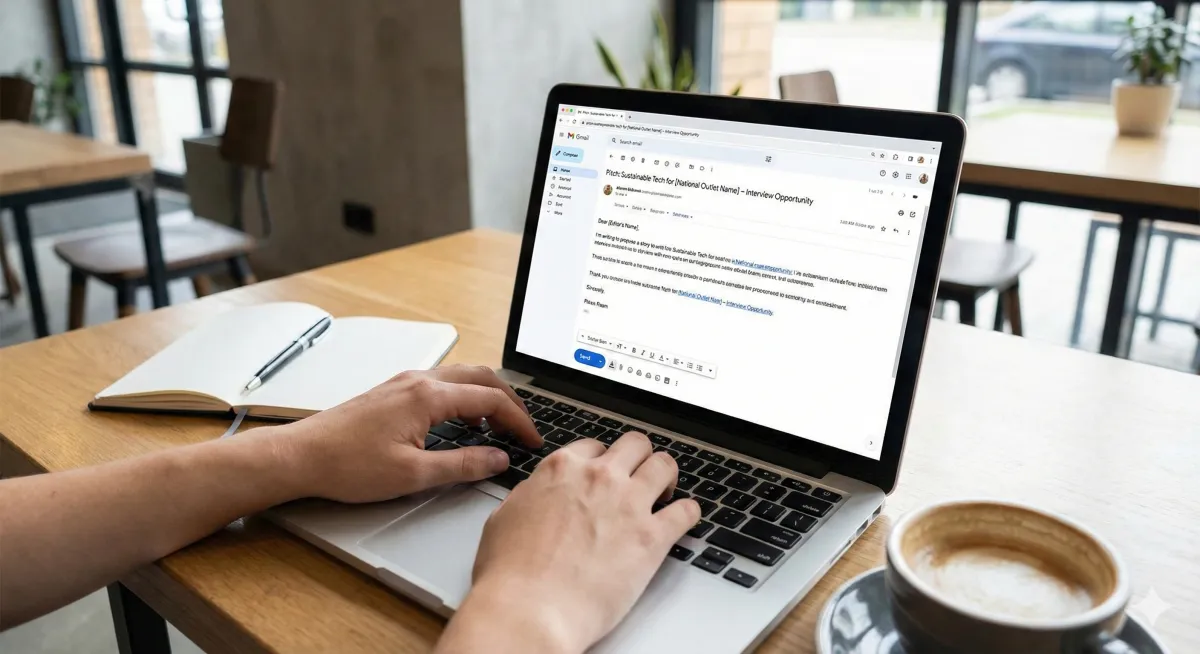
How to Pitch National Media Outlets
How to Pitch National Media Outlets (Forbes, CNN, BuzzFeed)
Landing a feature in a national outlet like Forbes, CNN, or BuzzFeed can skyrocket brand visibility. National media placements build credibility, increase traffic, and establish authority in your industry.
Getting noticed by top editors requires strategy, personalization, and timing. At Publicity For Good, we have helped hundreds of brands secure high-profile media placements by carefully crafting pitches and providing journalists with exactly what they need.
Why National Media Matters
Builds instant credibility
Generates leads and website traffic
Produces backlinks for SEO and AI visibility
Offers opportunities for thought leadership and speaking engagements
Step 1: Build Your Media List
Use tools like Cision, Muck Rack, or HARO to identify top-tier editors. Focus on:
Editors covering your industry
Those who have recently published similar content
Journalists active on social media who engage with their audience
Step 2: Create Your Media Kit
Your media kit should include:
Short and long bios
Product or service descriptions with high-resolution images
Press-ready quotes and statistics
Contact info and company background
Include one exclusive story or angle for top-tier outlets.
Step 3: Craft a Compelling Pitch
Subject line: Concise, attention-grabbing, and benefit-driven
Email body: 3 to 5 sentences explaining the story's newsworthiness
Include statistics or trends that make your story relevant now
Attach your media kit or link to a digital version
Step 4: Pitch Early and Follow Up
Long-lead publications require 2 to 3 months' notice
Follow up politely after 5 to 7 days if no response
Track every pitch to refine future outreach
Case Study: Forbes, Entrepreneur, and Fast Company in 60 Days
A fintech startup we worked with received coverage in Forbes, Entrepreneur, and Fast Company in 60 days by:
Customizing pitches for each outlet
Providing data-driven angles
Leveraging existing media mentions
Results included 20,000+ site visits, increased social engagement, and AI recognition in search recommendations.
The Difference Between Getting Featured and Getting Ignored
National media coverage is not random. It is not about luck or knowing the right people. It is about understanding what journalists need and giving it to them before your competitors do.
Every day, editors at Forbes, CNN, and BuzzFeed delete hundreds of pitches. Most are generic. Most are irrelevant. Most show no understanding of what the outlet covers or what the journalist cares about. The pitches that get opened are the ones with subject lines that immediately communicate value. The pitches that get replies are the ones that make the journalist's job easier.
Most brands pitch once, get no response, and give up. They assume national media is out of reach. They tell themselves they are not big enough or interesting enough. Meanwhile, smaller brands with better pitches are landing the features that could have been theirs.
The editors you want to reach are not waiting for your pitch. They are overwhelmed with options. They will choose the brand that makes their story easy to write. They will feature the founder who provides data, quotes, and images without being asked twice. They will publish the company that understands timing and pitches stories when they are actually relevant.
Your competitors are pitching right now. Some of them will land features in the next 30 days. Some will build credibility and backlinks while you are still "planning" your outreach. Some will get the traffic, leads, and authority that national media delivers.
You can keep waiting for the perfect pitch or the perfect moment. Or you can build your media list, craft your pitch, and start sending it this week. National media is not reserved for the biggest brands. It is reserved for the ones who show up prepared and persistent.
FAQs
Q: How do I know which editor to pitch? A: Focus on editors who cover your industry or beat. Use tools like Cision or LinkedIn to verify.
Q: Can I pitch multiple outlets at once? A: Yes, but personalize each pitch. Avoid generic mass emails.
Q: How many follow-ups are appropriate? A: One polite follow-up after a week is standard.
