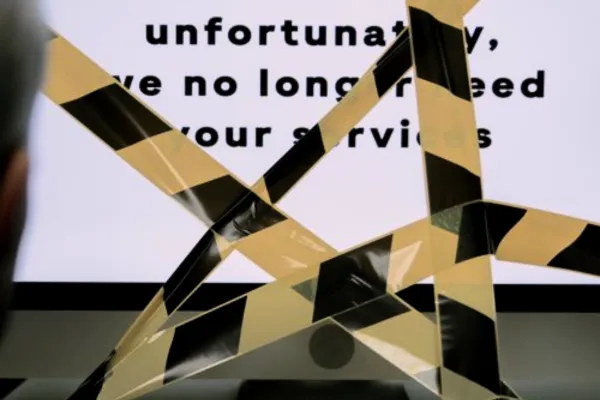
4 Dangerous Red Flags That Sabotage Your Brand Story
Every single day, founders like you focus all of your energy on a single goal: How do I make my business sound irresistible to a reporter? You perfect your taglines, polish your product feature sheets, and draft what you believe is a flawless pitch to land a coveted feature in Forbes or Fast Company.
But in public relations, understanding what makes a writer say yes is only half the battle. You also have to understand what makes them hit the "delete" button in less than three seconds.
Top-tier editors and producers wake up every morning under immense pressure to find fresh, timely, and objective perspectives. Because they receive hundreds of pitches a day, they do not read your text looking for reasons to feature you. They read it looking for red flags or immediate warning signs that scream an unknown founder is an unverified risk to their publication's reputation.
If you want to move out of obscurity and onto the national stage, you must ruthlessly eliminate these four algorithmic and human red flags before sending a single email.
1. The Inconsistent Digital Footprint

Before a reporter decides to quote a founder, they will look them up online. If they find old information, inactive social media accounts, or confusing details, the chance to be featured disappears immediately.
A messy or missing online presence suggests to a journalist that the business isn't well-known or a leader in its field. To earn a journalist's trust, you must have a clear and consistent history of credibility through articles, podcasts, and helpful information on your own website.
2. Main Character Syndrome
Main Character Syndrome occurs when a brand sends a self-centered pitch that focuses exclusively on its own milestones, such as a standard product launch, software updates, or routine company anniversaries. National journalists are explicitly trained to ignore this type of promotional fluff and marketing buzzwords, as it fails to provide broader value to their audience.
To capture an editor's attention, a pitch must be tied to a macro-economic shift or a changing societal trend. In these relevant and news-worthy narratives, the product is never the headline; instead, it serves as a supporting vehicle used to deliver a deeper, industry-wide insight that resonates with a universal human experience.
3. Zero Conversational "Proof of Life"
A writer might love an email angle, but if they cannot verify that the founder can handle a fast-paced, live interview, they will rarely take the gamble. Producers, in particular, look for conversational assets before booking an expert voice.
If a brand's presence features absolutely no long-form audio or video footprints such as past podcast features or digital interview clips, the journalist assumes the founder cannot speak off-the-cuff or deliver fluid, concise commentary under a tight deadline. Having zero recorded expertise asset links signals that the speaker is a high-maintenance booking risk.
4. Pitching Blindly Outside the Beat
Reporters take severe offense to bulk-email spamming. If a journalist explicitly covers supply chain technology, and a brand bombards them with a pitch about a new consumer wellness app, the message is instantly red-flagged.
It tells the writer that the sender did not take the time to read their previous work or respect their editorial boundaries. Landing high-velocity national media requires precise, localized targeting. Strategists must analyze a writer’s active column history, utilize platform-specific professional networks like Qwoted, and construct angles that serve as a direct, structural solution to what that specific journalist is actively writing about right now.
Follow the Flow of Media Verification
To secure top-tier press, a brand must pass through the journalist’s natural mental checklist. The pitching process behaves exactly like an structural architecture:
Laying the first bricks with an ironclad website foundation, stacking validation through trade journals, and anchoring the structure with rapid-response commentary removes every potential bottleneck. PR is not an accidental stroke of luck but a predictable result of aligning a company's human narrative with the strict operational workflows of the modern media machine.
It’s Not Too Late

It's never too late to turn your brand's red flags into green lights. The crucial first step is honestly identifying your warning signs—the inconsistent digital footprint, the self-centered pitch, the lack of conversational proof, and pitching blindly. While trying to bypass these issues with temporary social media hype or paid ads only offers an illusion of visibility, any brand, regardless of its current state, can achieve national media success by putting in the intentional, foundational work.
True national press requires treating visibility like a long-term capital investment. Stop guessing with your brand's presence. Take control of your narrative, clean up your digital footprints step-by-step, and build the national authority your mission deserves.
See If Your Brand Passes the Journalist’s Filter
Book a free strategy call with our team today. We will put your current digital presence under the microscope, audit your existing narrative gaps, show you exactly how major media and search ecosystems perceive your company right now, and give you a simple, actionable plan to eliminate red flags and claim your rightful position as a national authority.
